How to Make the Toc Toc AI Dance Video: The Moves, Second by Second
How to make the Toc Toc AI dance video with yourself, a friend or your dog, where the trend came from, what happens in each second, and what our test renders taught us.
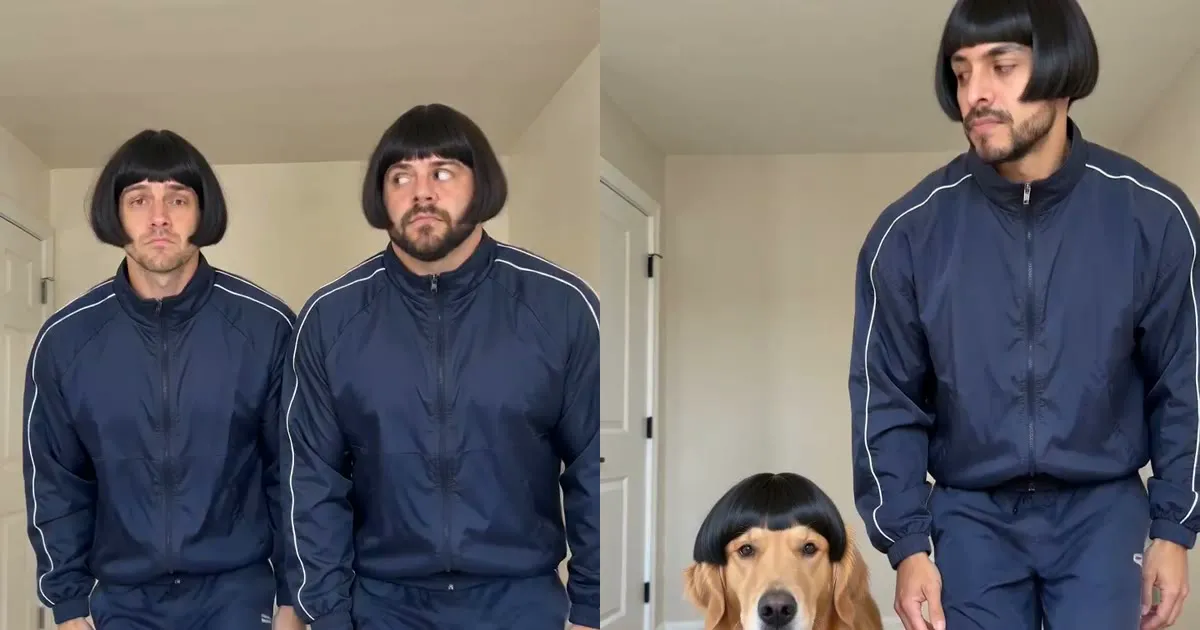
The Toc Toc AI dance video is the deadpan clip of someone in a glossy black bob wig and a baggy navy tracksuit hopping on one foot, knee up, then knocking twice on a door that isn't there. It runs on the chorus of a French song from 2015, and in October 2026 people started making AI versions of it with themselves, their friends and their dogs. Below is where the trend came from, what each second of a Toc Toc AI dance video does, and how to make your own.
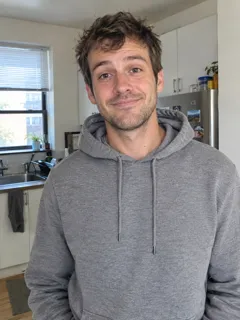 Photo 1
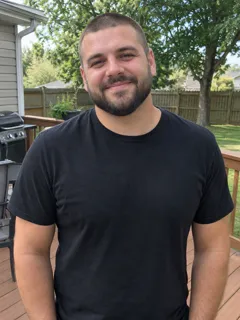 Photo 2
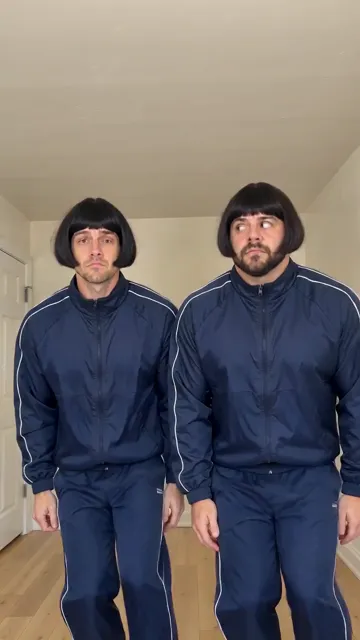 The video
Where the Toc Toc AI dance video trend came from
The song is "Toc toc" by Patrick Sébastien, a French entertainer, from his 2015 album Ça va bouger !. The hook is the chorus: "toc toc… qui c'est qu'est là", who's that knocking? Outside France people often call it "Kicékéla" after that line.
The dance is short and easy to copy. You hop on one foot with the other knee lifted, and on the chorus you knock on an invisible door with your fist. It is usually credited to a creator called Nooah Prvv, although we could not confirm the account. The clip that made it explode was posted on 5 September 2026: two friends doing it in a living room, straight-faced, 13 seconds long, with more than 24 million plays. French radio and newspapers covered it by the end of the month, and Patrick Sébastien said he was "le premier surpris", the first to be surprised.
The bob wig came a little later. Jean Phil is a separate viral character with a blond bob and a moustache, and he never posted the dance himself. Around 3 to 5 October, template makers put a bob wig and a tracksuit on dancers doing the Toc Toc, and the two names stuck together. That is the look most people mean by the trend today: a black bob wig, a navy tracksuit with thin white lines, white socks and chunky trainers. This site isn't affiliated with Patrick Sébastien, Jean Phil or any of the creators.
What happens in a Toc Toc AI dance video, second by second
Most versions use about eleven seconds of the chorus. We went through the original moves frame by frame:
- 0–1.5 s: the hop back. The dancer starts right in front of the camera and hops backwards on one foot, knee up, then glances to the side.
- 1.5–4 s: knee up, hand up. One-foot hops on the spot, the other knee high, one hand raised beside the face.
- 4–7 s: palms up, turn. Both forearms open to the sides with palms up, then the dancer turns side-on and keeps hopping.
- 7–9.5 s: toc toc. A fist raised by the head knocks forward twice on the beat, a foot kicks back in between, then a quick spin so the back faces the camera.
- 9.5–11 s: the finish. Back to the camera, arms out low, palms open, still hopping, straight face to the end.
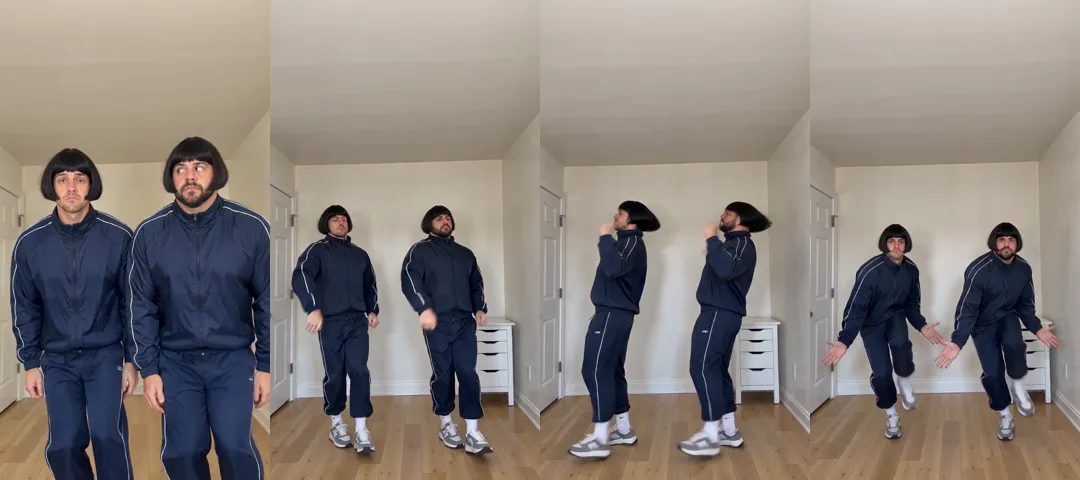
The straight face is half the joke. Nobody smiles, the hops are a little stiff, and the knock lands exactly on the beat of the chorus.
3 ways to make your own Toc Toc AI dance video
1. Edit an original clip. Some editors take a real Toc Toc clip as a reference and paint your face over the dancer. It looks close to the clip, but you can usually only swap one person, and you are working with someone else's footage.
2. A photo and a prompt. Other tools generate a new video from your photo and a description of the dance. They are quick and often offer a wig, but the moves are made up and the song is usually a new beat, so it does not read as the trend.
3. One or two photos on our page. On Toc Toc AI Dance you add one photo, or two to dance side by side. We copy the timing of every move from the trend, build the room or the beach fresh around you, and add the original song. You pick the trend look (wig and tracksuit) or your own clothes.
How our Toc Toc AI dance video copies the moves without copying the footage
Our version never uses a frame of any original clip. We turned eleven seconds of the dance into a depth map: a moving picture of how far each part of the dancer is from the camera, with shape and motion but no face, clothes or colours. Then we cut the dancer out of it, so the map holds nothing but the moves.
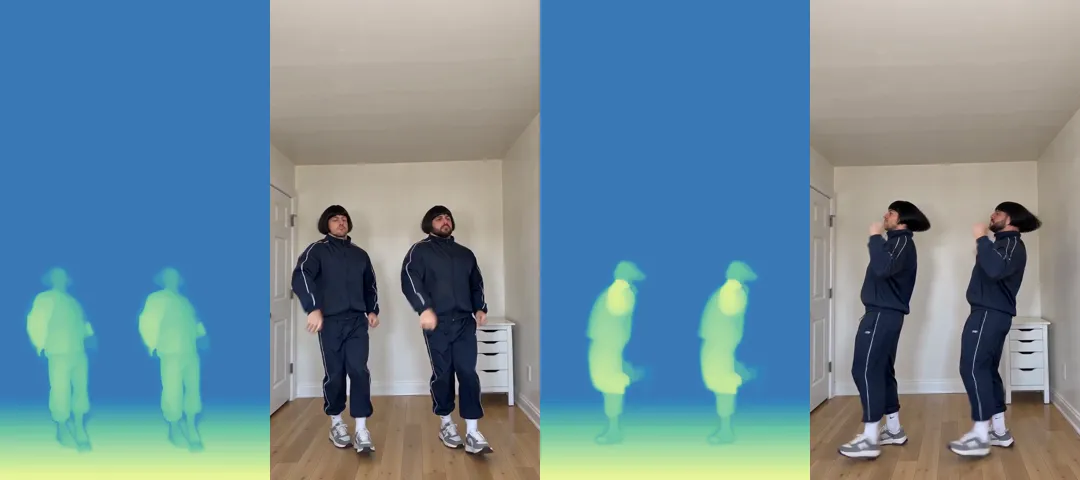
Because the map holds only the dancer, two things become easy. The scene can change with words alone, so the same moves work in a white room or on a sunny beach. And for two photos we place two copies of the dancer side by side, so the two of you hit every hop and knock at the same moment. The video model reads the map as choreography and paints you, or you and a friend, on top.
What our Toc Toc AI dance video tests got wrong
We made test renders at 480p before any example and compared each one with the original moves side by side.
- The start is not a close-up of the face. We first asked for a face filling the frame in the first second. The real opening shows the dancer from the wig to the shins, so we changed the words to match.
- Two people almost became twins. Same wig, same tracksuit, same moves: the model needed to be told plainly that these are two different people, and that a beard only belongs to the photo that has one.
- Dogs need a dog's body. A dog following a human outline can turn into a dog head on a person. We describe a real dog rearing up and bouncing to the rhythm, with no hands or fists, and pets wear only the wig.
- A word in the prompt ended up on screen. Mentioning that the phone stood on a tripod put a tripod in the room. It is gone now.
Our test renders took between 2 min 43 s and 3 min 28 s, plus about half a minute to add the song.
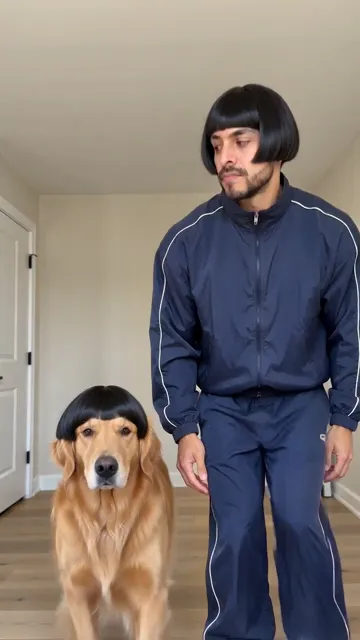
- Your dog, in a matching bob wig
- You, in the trend look
- A bare white room like the original
- The chest of drawers, as in the trend
Tips for the photos you upload
- One person or one pet per photo, face clearly visible. A front-facing photo in good light keeps the likeness best.
- Two photos for a duo. Photo 1 dances on the left, photo 2 on the right. A friend, a partner or your dog all work.
- Any framing works. Selfies, waist-up or full-length: the dance is always filmed head to feet, like the original.
- Adults only. Photos of children are turned away. Use only photos of people who said yes.
What the Toc Toc AI dance costs
Most editors run on credits or a subscription. Ours is paid per video: an 11-second video at 720p is 20 credits, $7.99 once or about $6 out of the $14.99 pack of 50 credits, with one dancer or two. No subscription, and a failed render refunds itself. See the pricing page.
| Original-clip edit | Photo and prompt | Ours | |
|---|---|---|---|
| Moves in time | Yes | Made up | Yes, second by second |
| Two dancers | Rarely | Sometimes | Yes, side by side in sync |
| Pets | Sometimes | Sometimes | Yes, a real animal |
| The song | Usually the original | Usually a new beat | The original chorus |
| Cost | Credits or a subscription | Credits or a subscription | $7.99, or about $6 from a pack |
Toc Toc AI dance video FAQ
Who made the Toc Toc dance?
The song is Patrick Sébastien's "Toc toc" from 2015. The dance is usually credited to a creator called Nooah Prvv, and it took off in September 2026 with a living-room clip of two friends.
Is the Toc Toc dance the same as Jean Phil?
No. Jean Phil is a separate viral character who never posted the dance. Template makers mixed his bob-wig look into the Toc Toc dance in early October 2026.
Can two of us be in one video?
Yes. On our Toc Toc AI Dance page, add a second photo and the two of you dance side by side, in sync. It works with two people, a person and a pet, or two pets.
Does it have the original song?
Yes, the chorus the trend uses, lined up with the moves. You can also pick the official sound in TikTok instead.
Can I post it on TikTok?
Yes. Credit the artist, and follow the music rules of the app you post on: the song belongs to its owners.